I build things with my mouse and keyboard.
See what I've builtSelected Projects
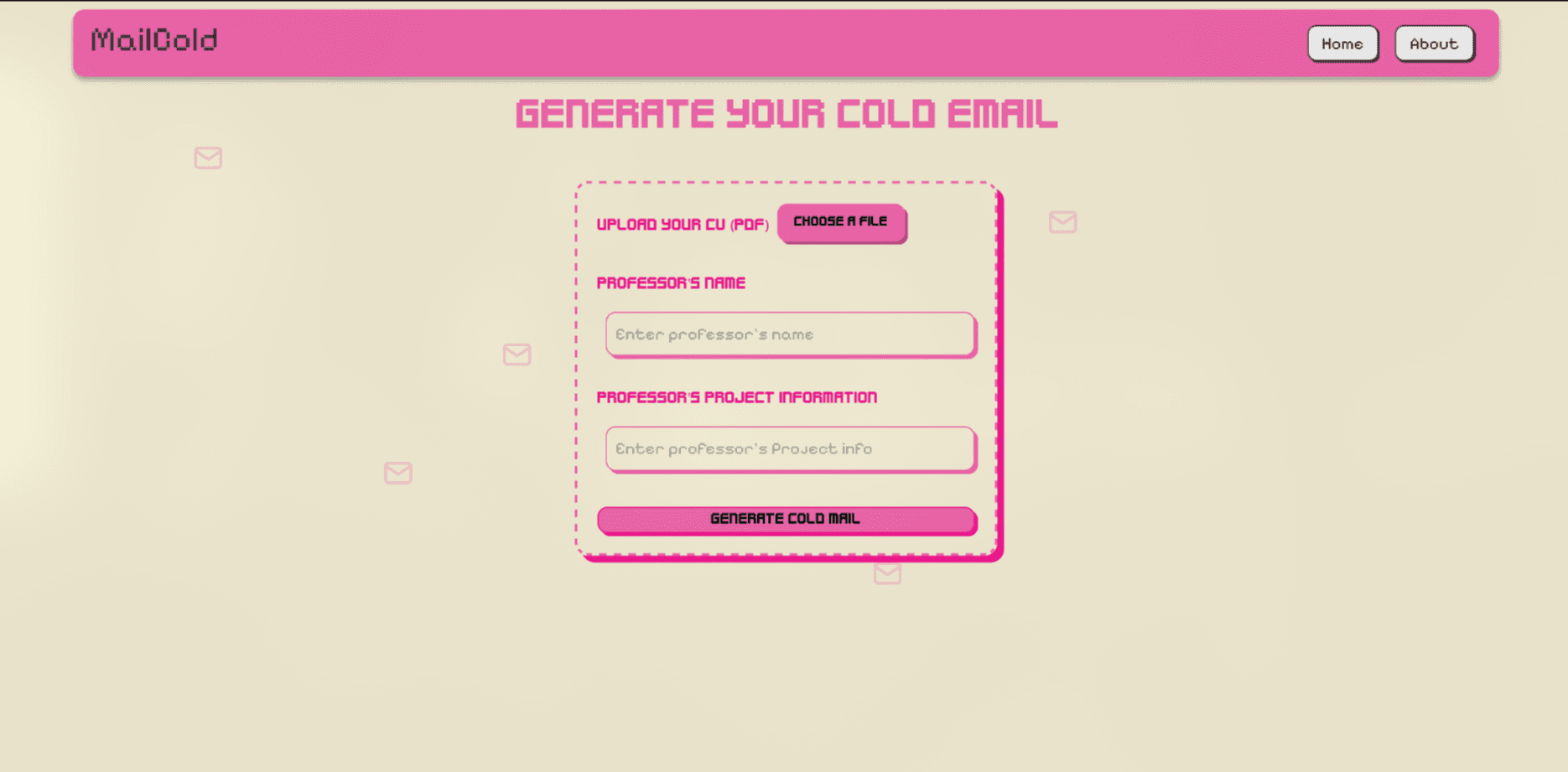
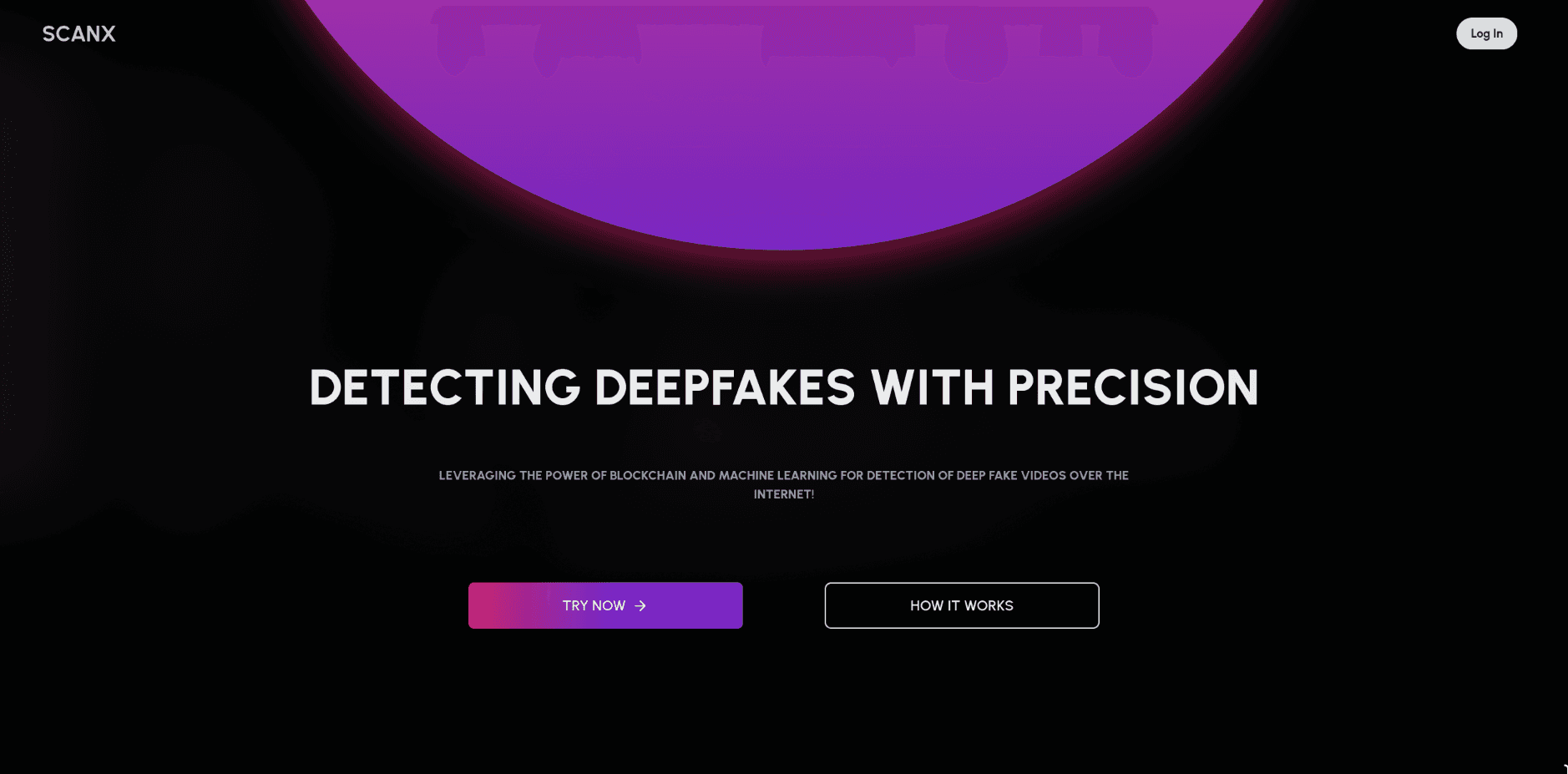
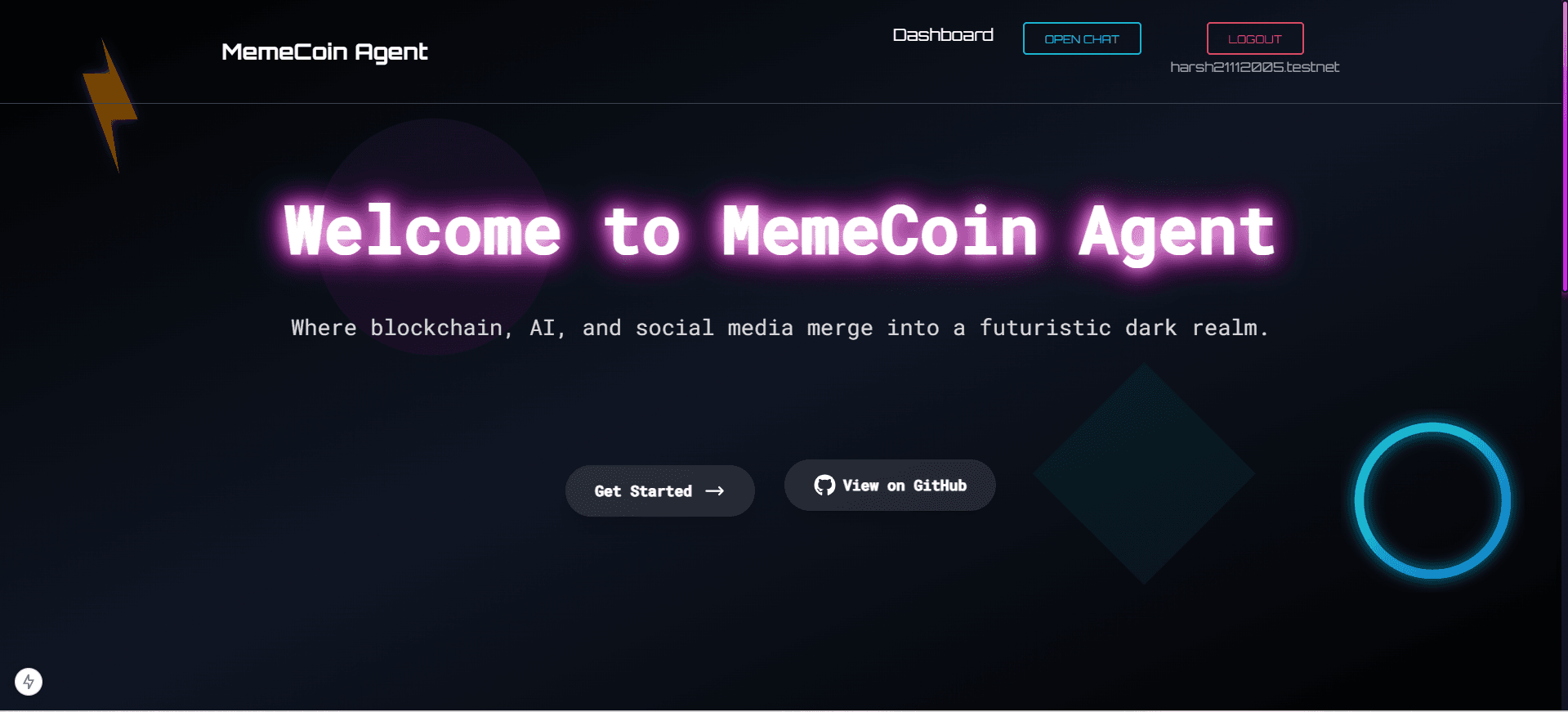
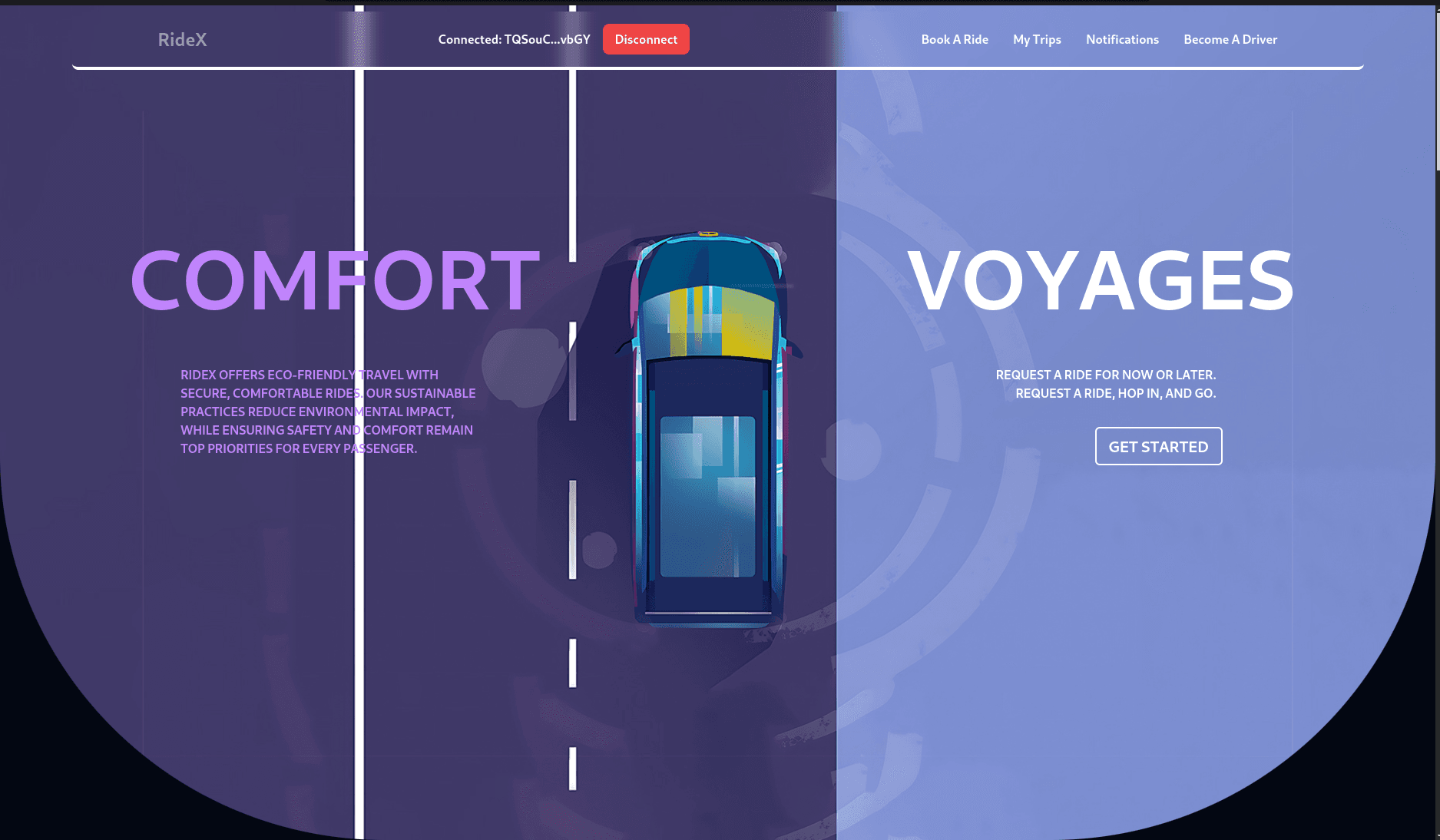
Systems & AI Work
Sentinel
- distributed-systems
- security
Distributed remote code execution engine. Untrusted Python/C++ runs in nsjail sandboxes (cgroups v2, no network), queued through RabbitMQ quorum queues and streamed back over WebSocket.
Google File System
- distributed-systems
- storage
Append-only file store built from the GFS paper. Writes land on a Redpanda log keyed by path, a flusher seals 64 MB chunks into MinIO, and etcd holds the path → chunk index.
Garbage Collector
- runtime
- systems
Precise, handle-based GC runtime in C++20 with five collector policies — mark-sweep, Lisp2 mark-compact, generational with a card-table write barrier, incremental SATB, and a TSan-clean concurrent marker.
cirun
- devtools
- ci-cd
Minimal local CI runner in C++23. Parses a YAML pipeline, runs each stage’s jobs in parallel inside Docker, collects artifacts and installs itself as a git pre-push hook.
Crucible
- rl
- llm
- security
Security-hardened RLVR environment that trains LLMs to write verifiable infrastructure-as-code — every rollout is graded by an actual sandboxed build + smoke test, and reward hacking against the verifier is measured, not assumed away.
AgentOS
- ai-agents
- saas
SaaS studio for AI agent workflows. Build them on a React Flow canvas, or import a GitHub repo and let Claude generate the skills — including a six-stage CLAUDE.md pipeline that PageRanks the import graph to pick what matters.
Scholar
- rag
- hackathon
Multimodal educational RAG with a trust layer — Qdrant named vectors over text, diagrams, video and code, and a Neo4j-backed multi-agent consensus that checks every answer for prerequisites before it ships. Built for Convolve 4.0.
Whetstone
- ml
- edtech
Adaptive Codeforces trainer that models per-topic skill with uncertainty and serves the problems that grow you fastest — every knob (difficulty, spacing, interleaving) traces back to a cited learning-science result.
MetaKGP Reasoning
- llm
- rag
Graph-of-Thought reasoning over the MetaKGP wiki with LLaMA-2 — FAISS retrieval feeds a claim graph that a mixture of expert verifiers (source matcher, hallucination hunter, logic checker) has to sign off on.
Text-to-SVG Genie
- ml
- kaggle
Kaggle competition system that generates SVG code from natural-language prompts, tuned for visual fidelity and description faithfulness under a 10 KB output budget.
Experience
August 2025 - Present
First engineer on a consumer rewards platform. Own the stack end to end — transaction and coin ledger, brand partner tooling, admin dashboards, campaign and notification infra.
May 2026 - July 2026
Remote internship with a Sapporo-based edge-AI company. Worked on computer vision models and the pipelines around them — training, evaluation and deployment to constrained edge hardware.
February 2026 - April 2026
Shipped features on a collaborative event photo-sharing platform — real-time guest uploads, QR-based gallery joins and the media storage and delivery path behind them.
October 2025 - February 2026
Built the LLM layer behind an AI career coach — retrieval pipelines, prompt and evaluation harnesses, and the serving path that put them in front of users.
March 2025 - July 2025
Built a quantum classifier using amplitude encoding — 100% accuracy on Iris subsets via a quantum interference circuit, run on IBM's 5-qubit hardware under strict gate constraints. Designed 75-gate circuits with decomposed Toffoli/SWAP gates and improved non-linear dataset accuracy by 7% with quantum feature maps. Selected through IIT Kharagpur's Foreign Training Program.
August 2024 - October 2024
Built product interfaces for an AI recruitment platform — the CV reviewer and mock-interview flows — in Next.js and TypeScript, styled with SCSS and backed by MongoDB.
Competitions
June 2026 - July 2026
Ranked 500,000 Premier cardmembers by profitability with no labels available — the only supervision was a single scalar from the public leaderboard. Built an interpretable linear revenue−cost model (net interest income, interchange, portal margin, expected credit loss) and inverted the leaderboard signal to calibrate it.
July 2026
Fulcrum — a neutral, closed-loop dispute and chargeback resolution engine. Researched Amex’s real dispute lifecycle down to the CBNOT/EPTRN/GRRCN record layouts, which surfaced that Amex has no arbitration or second presentment, and designed the HLD around its actual adjudication model.
January 2026
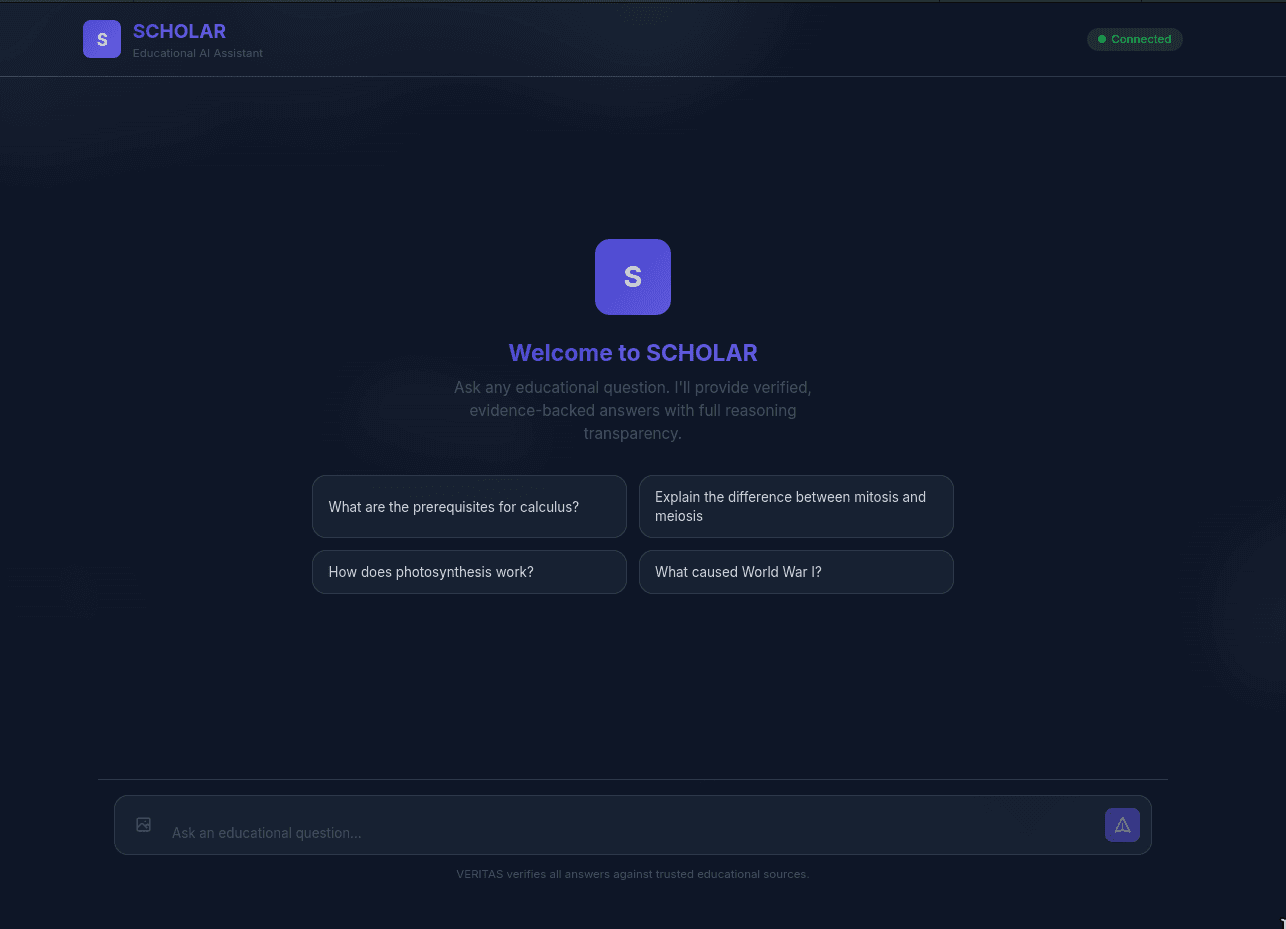
Scholar — a trust-first educational RAG system. Multi-agent consensus (semantic, factual and prerequisite agents) verifies every answer, with multimodal retrieval over text, diagrams, lecture video and code via Qdrant named vectors and a Neo4j curriculum graph.
December 2025 - January 2026
Constraint-verification pipeline built on a streaming architecture — ingestion to extraction to state to constraints to decision — with per-narrative state isolation to prevent knowledge leaks between documents.
October 2025
Multimodal price prediction from product text and images, scored on SMAPE. Built the EDA and feature-engineering pipeline and a joint text+vision model over the downloaded product image set.
Inter IIT Tech Meet 13.0 — Dream11
November 2024 - December 2024
Engineered 20+ performance, venue and team-aggregated features across the full historical cricket dataset. Reached 112.9 MAE and 7.07 ACP match-wise by combining player-ranking and fantasy-point-distribution pipelines, and shipped a product UI with 5+ Gen AI features including a chatbot and team recommendations.
White Papers
February 2026
A bio-isomorphic framework for long-horizon agentic memory. Grounded in Complementary Learning Systems theory, CMA pairs rapid episodic encoding via Bayesian Surprise with slow semantic consolidation over a sleep cycle — reporting +66.7% on temporal reasoning and +28.4% on multi-hop inference over SOTA RAG baselines on LOCOMO and LongBench. With Shriya Sinha.
January 2026
A five-layer pipeline that treats every query as a constraint satisfaction problem rather than a retrieval problem: PPO-based RL routing, hierarchical retrieval over Qdrant named vectors, and multi-agent verification against a Neo4j prerequisite graph so no claim ships ungrounded. Convolve 4.0 submission, with Shriya Sinha.
December 2024
Modeling financial time-series with generative adversarial networks.
July 2024
This whitepaper explores Zero-Knowledge Proofs (ZKPs) as a groundbreaking cryptographic concept that enables parties to prove possession of certain information without revealing that information itself.
June 2024
This whitepaper explores the fundamental concepts, mechanisms, and implications of liquidity pools within the decentralized finance (DeFi) ecosystem.
My Skill Set
Languages
Back-End
Infra & DevOps
Databases
ML & AI
Front-End
Cloud
ABOUT ME
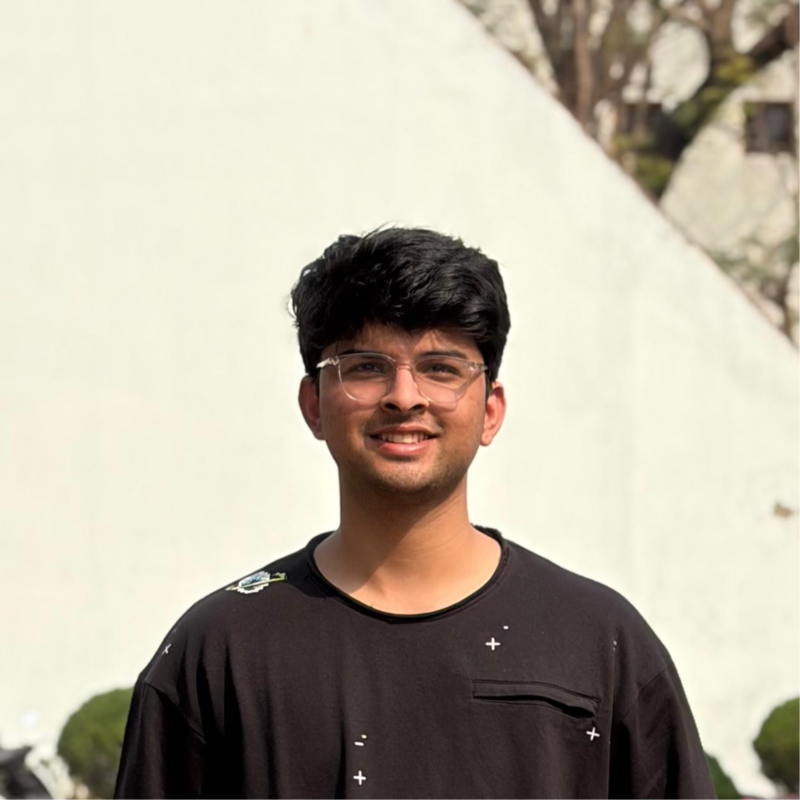
HARSH BHATT
I'm a final-year undergraduate in the Department of Chemical Engineering at IIT Kharagpur, and I spend most of my time writing systems software. Lately that has meant building the things I used to only read about: a garbage collector in C++20 with five interchangeable collection policies, an append-only file store put together from the GFS paper, a sandboxed remote code execution engine in Go, and a local CI runner in C++23. I like problems where correctness is checkable and the failure modes are interesting.
The other half of my work is AI infrastructure rather than model-chasing — RL environments with verifiable rewards, retrieval systems that have to prove their answers, and agent tooling built on top of real backends. I'm comfortable across the stack, from nsjail and cgroups up through Go and Postgres to a Next.js frontend, and I care a lot about the DevOps side that makes any of it actually ship.